Blog
Is Your Basement in Apple Valley Ready for a Renovation?
Most homeowners see a basement and think storage. Boxes, holiday decorations, maybe a washer and dryer. But if you're sitting on unfinished square footage in Apple Valley, you're sitting on potential. The question isn't whether you should renovate—it's whether your basement can handle it. Because not every foundation is ready for drywall. Not every floor can support tile. And if you skip the prep work, you're building on borrowed time.
We've seen too many projects stall halfway through because someone assumed their basement was good to go. It wasn't. Moisture showed up. Cracks widened. Code violations surfaced. So before you start shopping for furniture or picking paint swatches, let's talk about what actually needs to happen first.
What the Walls Are Trying to Tell You
Your basement talks. You just have to listen. Walk the perimeter and look for anything that doesn't belong—water stains, white chalky residue, soft spots in the drywall, or that unmistakable damp smell. These aren't cosmetic issues. They're warnings. Minnesota weather doesn't mess around, and Apple Valley basements take the brunt of it. Snowmelt, spring rain, clay soil—it all adds up to pressure against your foundation.
Check the corners where the floor meets the wall. Run your hand along the concrete. If it feels cool or damp, that's a red flag. If you see mold or mildew, that's a bigger one. And if the walls are bowing inward or the floor is uneven, you're looking at structural concerns that need professional eyes before you do anything else.
Keeping Water Where It Belongs
Waterproofing isn't optional. It's the foundation of every successful basement renovation. Even if your space looks dry now, that doesn't mean it'll stay that way. We recommend starting with the exterior—make sure your gutters are clear, downspouts extend at least six feet from the house, and the grading slopes away from your foundation. Inside, consider a sump pump if you don't already have one, and seal any cracks in the concrete before they become leaks.
A vapor barrier on the walls and a dehumidifier running year-round will keep humidity in check. Apple Valley's freeze-thaw cycles can open up new cracks every season, so this isn't a one-and-done fix. It's ongoing maintenance that protects everything you're about to invest in.
What the City Expects Before You Build
Apple Valley has rules. Ignore them, and you'll pay for it later—sometimes literally. Finished basements need to meet specific codes for ceiling height, egress windows, electrical systems, and insulation. If you're adding a bedroom, you'll need a window large enough for emergency exit. If you're adding a bathroom, the plumbing has to be up to standard. And if your ceiling is under seven feet, you might be limited in what you can do.
Pull permits before you start. Yes, it's paperwork. Yes, it takes time. But it also means inspections, which catch problems before they become expensive mistakes. Work with the city or bring in a contractor who knows the local requirements inside and out.
Designing Around What You Can't Move
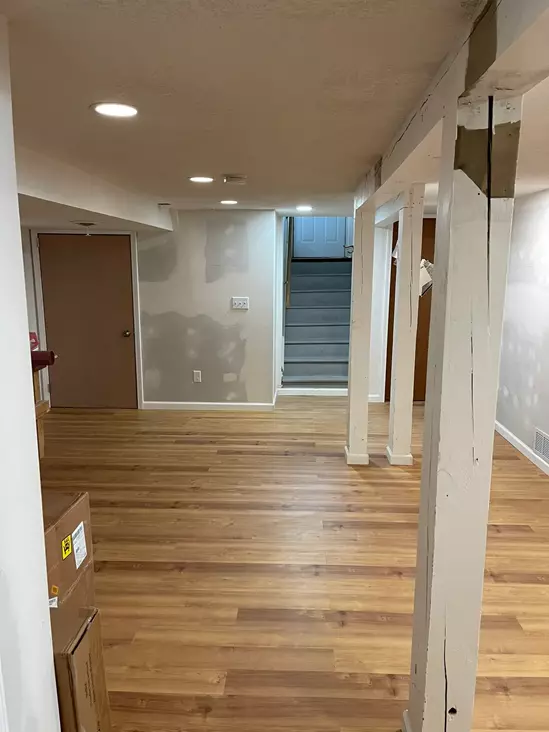
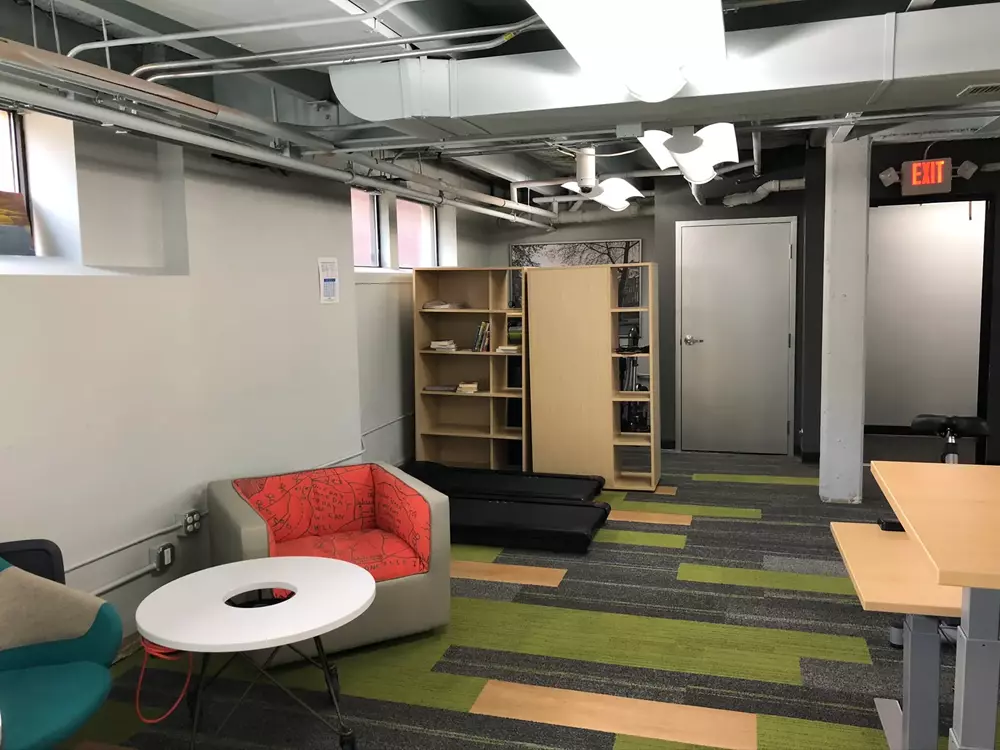
Basements come with obstacles. Support posts, low ceilings, small windows, utility lines—you can't just tear it all out and start fresh. The trick is designing around what's already there. Open floor plans help. So do lighter colors, recessed lighting, and strategic furniture placement. If you've got a post in the middle of the room, build it into a feature wall or wrap it with trim.
Think about how you'll actually use the space. A home theater needs different lighting than a gym. A guest suite needs privacy and ventilation. A playroom needs durable flooring and storage. Map it out on paper first, and don't forget about the boring stuff—outlets, HVAC vents, and access to your electrical panel.
What You'll Actually Spend
Basement renovations aren't cheap, but they're one of the best returns on investment you can make. Budget for the big stuff first—waterproofing, structural repairs, permits, and labor. Then add in materials, finishes, and furnishings. And always, always build in a cushion for surprises. Because there will be surprises.
Here's where most of your money will go:
- Waterproofing and moisture control systems
- Framing, insulation, and drywall installation
- Electrical upgrades and new outlets
- Flooring that can handle basement conditions
- HVAC extensions or supplemental heating and cooling
When to Bring in the Pros
Some homeowners can handle a basement renovation on their own. Most can't. And that's not a knock—it's just reality. Basements are tricky. They require knowledge of building codes, moisture management, electrical work, and structural integrity. If you're not confident in all of those areas, hire someone who is.
Look for contractors with basement-specific experience. Ask for references. Check their license and insurance. And don't just go with the lowest bid—go with the one who asks the right questions and shows you examples of finished work that looks like what you want.
Common Mistakes That Cost Time and Money
We've seen the same errors play out over and over. Homeowners rush the prep work. They skip waterproofing because the basement "seems fine." They don't pull permits. They use the wrong materials. And then they're stuck ripping everything out and starting over.
Here's what trips people up most often:
- Installing drywall directly against concrete without a moisture barrier
- Using organic materials like wood studs in damp conditions
- Skipping egress windows in bedrooms
- Ignoring ventilation and air circulation
- Choosing carpet or hardwood in areas prone to moisture
Materials That Actually Work Below Grade
Not all building materials are created equal, especially in basements. You need products designed to handle humidity, temperature swings, and the occasional moisture event. Metal studs resist mold better than wood. Foam board insulation outperforms fiberglass in damp conditions. And luxury vinyl plank flooring holds up better than carpet or hardwood.
For walls, consider mold-resistant drywall or cement board in high-risk areas. For ceilings, drop tiles give you easy access to utilities. And for finishes, stick with paints and sealants rated for below-grade use. It costs a little more upfront, but it lasts a lot longer.
Testing Before You Commit
Before you sign a contract or swing a hammer, test your basement's readiness. Tape a piece of plastic to the concrete floor and leave it for 48 hours. If moisture collects underneath, you've got a vapor issue. Run a dehumidifier for a week and monitor the humidity levels—they should stay below 50 percent. And if you're unsure about anything structural, bring in an engineer.
These small tests save big headaches. They tell you what needs fixing before you cover it up with drywall and flooring. And they give you a baseline to work from as you move forward.
What Happens After the Build
Finishing your basement isn't the end—it's the beginning of a new maintenance routine. You'll need to monitor humidity, check for leaks after heavy rain, and keep an eye on your sump pump. Basements require attention, especially in climates like Apple Valley's where seasonal changes put constant pressure on your foundation.
Set reminders to replace dehumidifier filters, test your sump pump, and inspect for cracks. It's not glamorous, but it's what keeps your investment intact. And it's a lot easier than tearing out a finished space because you ignored a small problem until it became a big one.
Getting It Right the First Time
Renovating a basement in Apple Valley isn't just about adding square footage. It's about doing it right—so the space stays dry, stays safe, and stays functional for years. That means addressing moisture before it becomes mold. It means following codes before they become violations. And it means planning for the long haul, not just the Instagram reveal.
We help homeowners turn basements into spaces they actually want to spend time in. Not because we cut corners, but because we don't. If your basement is ready, we'll help you build something that lasts through our basement interior renovations services. If it's not, we'll tell you what needs to happen first through our comprehensive remodels and repairs approach. Either way, you'll know exactly where you stand—and what it takes to get where you want to go with our design build process. Contact us for a free estimate today.
Ready to Transform Your Basement?
Let's make your basement the best part of your home. We know what it takes to get every detail right, from waterproofing to the finishing touches. If you're ready to start your project or just want honest advice about your space, give us a call at 952-426-4444. Or, if you prefer, reach out for your free estimate and let’s turn your basement vision into reality together.
‹ Back
Recent Posts
-
Does Your Apple Valley Home Need More Space?
August 28, 2026
-
Is It Time for a New Deck in Apple Valley?
August 14, 2026
-
Could Your Apple Valley Basement Be Better Used?
July 31, 2026
-
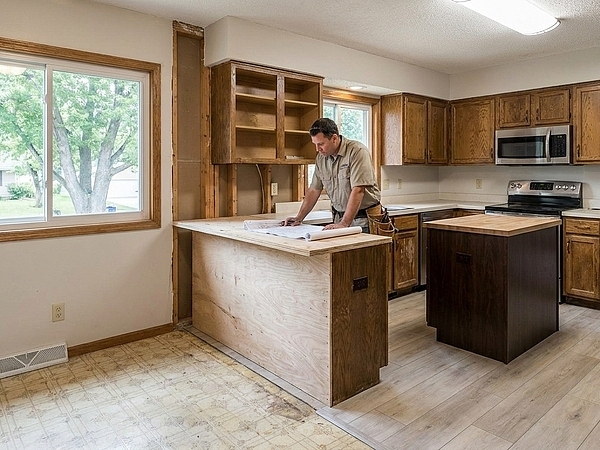
Is Your Kitchen in Apple Valley Feeling Outdated?
July 17, 2026
-
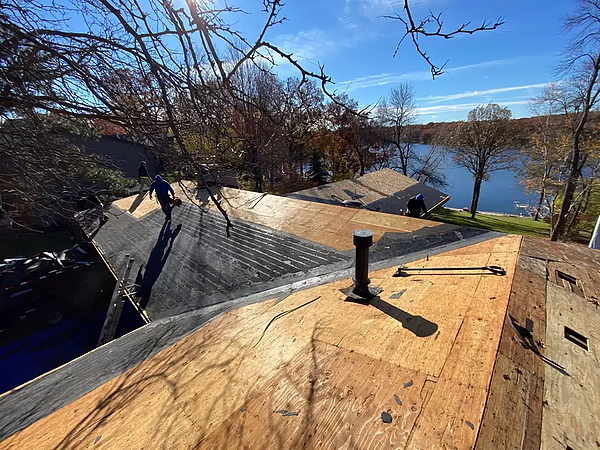
A to Z Remodelers & Builders brings complete home remodeling to Apple Valley homeowners and businesses. From storm damage restoration to full kitchen and bathroom remodels, our team handles projects of any size with quality craftsmanship. We specialize in insurance restoration, home additions, new home construction, and design-build services. Whether you need roofing, siding, or window replacement after storm damage, or want to add a sunroom, deck, or porch to your home, we've got you covered. Our carpenters also handle basement renovations, flooring installation, and both interior and exterior upgrades. As a full-service contractor, we work on residential and commercial properties, managing everything from small repairs to major construction projects. Call 952-426-4444 to discuss your remodeling needs and get your project started.
Site by