Blog
Signs Your Home Needs New Siding in Apple Valley
Most homeowners think siding is just about looks. Curb appeal, color match, maybe a little texture. But your exterior cladding does more than sit pretty — and if you're not paying attention, you're setting yourself up for expensive surprises. Siding may not scream for help, but it does leave clues. Especially when Apple Valley's weather swings from scorching summers to wet, cold winters.
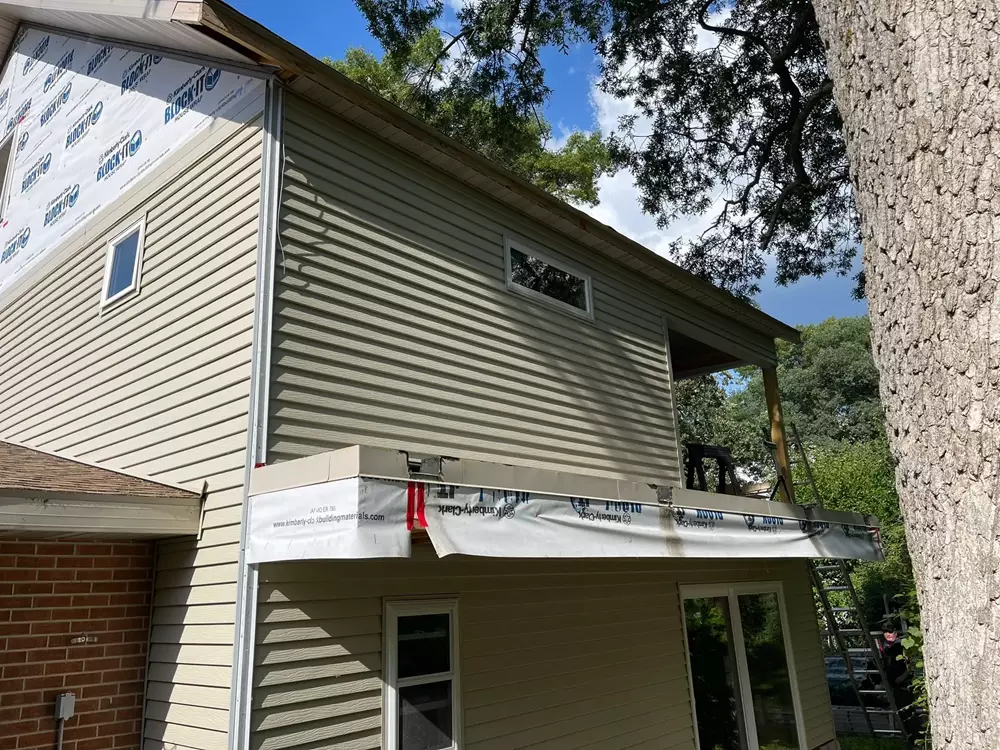
So here's the reality. If your siding is protecting your home the way it should, that's great. Just don't assume it'll last forever. Every crack should raise a flag. Every bubble needs investigation. And every decision about replacement should be grounded in what's happening to the material — not just what it looks like from the curb.
Cracks and Warping Tell You Everything
Walk the perimeter of your house and actually look. Not a quick glance — a real inspection. Cracks, warping, or sections that look like they're rotting? Those aren't cosmetic. They're entry points. Moisture gets behind compromised siding and starts working on your sheathing, insulation, and framing. In a climate like Apple Valley's, where temperature swings are routine, that damage accelerates fast.
If you spot visible distortion or decay, you're already past the early warning stage. The longer you wait, the more expensive the fix becomes. And if water's been sitting behind there for months, you're not just replacing siding — you're dealing with mold, rot, and structural repairs.
Paint Shouldn't Fade This Fast
Quality siding holds its finish for years. If you're repainting every couple of seasons or the color's washed out on the south-facing wall, the material underneath is breaking down. Fading and peeling aren't just aesthetic problems — they're signs that the protective layer is failing. Once that happens, UV damage and moisture infiltration follow close behind.
This is especially common on homes where the siding faces direct sun for most of the day. If your Apple Valley property gets hammered by afternoon heat, expect accelerated wear. But if it's happening across multiple exposures, you're looking at a material that's reached the end of its useful life.
Your Energy Bills Are Climbing for a Reason
Siding isn't just a shell — it's part of your home's thermal envelope. When it fails, your HVAC system works overtime. Drafts sneak in. Conditioned air leaks out. And your utility bills creep up month after month. If you've ruled out windows, insulation, and ductwork, your siding might be the culprit.
Older or damaged cladding loses its ability to insulate effectively. Gaps, cracks, and moisture intrusion all compromise performance. Replacing it with modern, energy-efficient materials can cut heating and cooling costs significantly — and pay for itself faster than most homeowners expect.
Mold and Mildew Mean Moisture Got In
See dark streaks, fuzzy patches, or discoloration near seams? That's biological growth, and it thrives where water lingers. Mold and mildew don't just appear on the surface — they're symptoms of moisture trapped behind your siding. In Apple Valley, where morning dew and occasional rain are part of the routine, unchecked moisture turns into a breeding ground.
Don't scrub it off and call it fixed. If the growth keeps coming back, water is getting where it shouldn't. That means your siding has failed, and the longer you ignore it, the worse the damage becomes. Mold spreads. Wood rots. And remediation costs skyrocket.
Bubbles and Blisters Are Red Flags
Bubbling or blistering on your siding's surface means trapped heat or moisture. Either the installation was sloppy, or the material has aged out. In Apple Valley's intense summer sun, this problem compounds quickly. What starts as a small blister can spread across entire panels, compromising the integrity of your exterior.
Once blistering begins, the siding can't protect your home the way it's supposed to. Water infiltration becomes inevitable. And if you're seeing this on multiple sections, you're not dealing with a repair — you're dealing with a replacement.
Loose or Missing Panels Leave You Exposed
Wind, storms, and simple wear can knock panels loose or tear them off entirely. Missing sections leave your home vulnerable to weather, pests, and moisture. If you're spotting gaps or pieces hanging by a nail, you're already in trouble. Every open seam is an invitation for water to get behind the barrier and start doing damage.
Replacing a few panels might seem like a quick fix, but if the rest of your siding is aging, you're just buying time. Mismatched materials, color differences, and inconsistent performance are all part of the patchwork approach. Sometimes the smarter move is a full siding replacement.
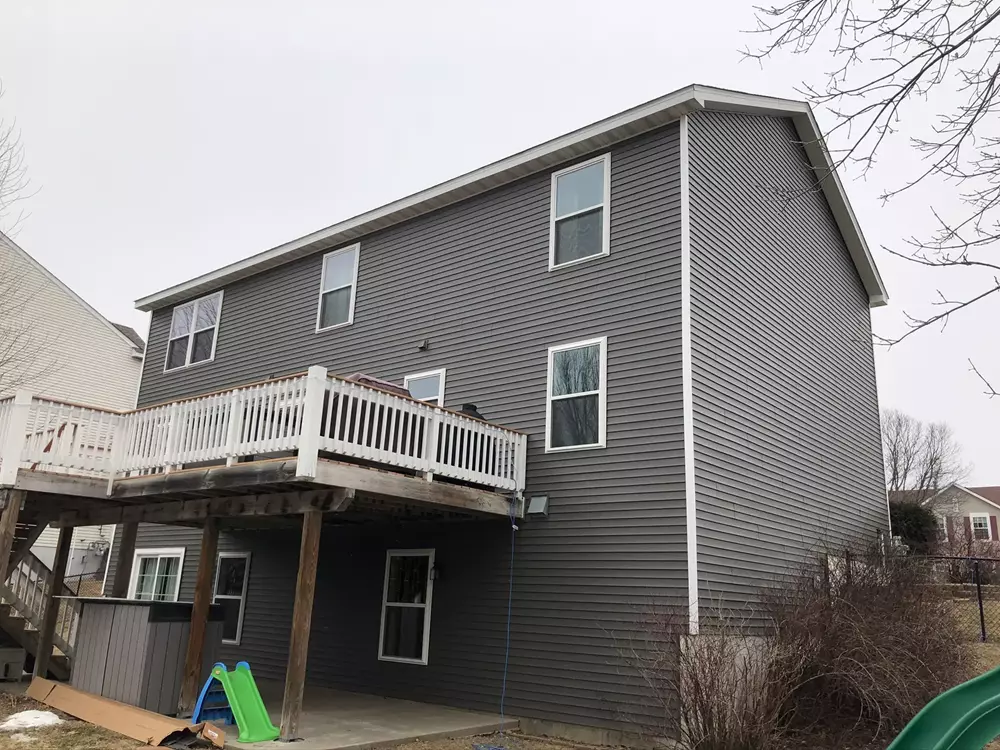
Interior Damage Starts on the Outside
Peeling paint on your interior walls? Wallpaper coming loose? Unexplained water stains near the ceiling or baseboards? Those aren't random. They're often the result of moisture seeping through failed siding and working its way inside. By the time you see it indoors, the problem's been brewing for a while.
Don't wait for the drywall to buckle or the insulation to sag. If you're noticing interior symptoms, get your siding inspected immediately. The longer moisture sits in your walls, the more expensive the fix becomes — and the higher the risk of mold, rot, and structural compromise.
Outdated Siding Costs You More Than You Think
Old siding doesn't just look tired — it performs poorly. Faded colors, outdated styles, and worn finishes all drag down your home's curb appeal and resale value. If you're planning to sell or just want your property to look sharp, new siding delivers immediate impact. Modern materials offer better durability, energy efficiency, and aesthetics than what was available even a decade ago.
Buyers notice siding. Appraisers factor it in. And if your home looks like it's stuck in the past, you're leaving money on the table. Upgrading your exterior renovations isn't just about vanity — it's about protecting your investment and maximizing your return.
What Happens When You Wait Too Long
Ignoring failing siding doesn't make the problem go away. It makes it worse. Water intrusion leads to mold. Mold leads to rot. Rot leads to structural damage. And structural damage leads to five-figure repair bills. The longer you put off replacement, the more you'll pay when you finally have no choice.
Here's what escalates when siding fails:
- Moisture seeps into wall cavities and insulation
- Mold spreads behind drywall and into framing
- Wood rot compromises studs, sheathing, and sills
- Energy efficiency plummets as drafts increase
- Pest infestations become more likely through gaps and cracks
What to Look for During Your Inspection
Don't just eyeball your siding from the driveway. Get close. Run your hand along seams. Check corners and edges. Look for soft spots, discoloration, or anything that feels off. A thorough inspection should cover every side of your home, not just the front.
Here's what to check:
- Cracks, splits, or holes in individual panels
- Warping, buckling, or sagging sections
- Loose or missing pieces, especially after storms
- Discoloration, fading, or peeling finishes
- Mold, mildew, or fungus growth near seams
- Bubbling or blistering on the surface
Why Material Choice Matters More Than You Think
Not all siding is created equal. Vinyl, fiber cement, wood, and engineered composites all have different lifespans, maintenance requirements, and performance characteristics. If you're replacing your siding, don't just go with the cheapest option. Think about durability, energy efficiency, and how the material holds up in Apple Valley's climate.
Here's what to consider:
- Vinyl is low-maintenance but can crack in extreme cold
- Fiber cement resists moisture, fire, and pests but requires professional installation
- Wood looks great but demands regular upkeep and is prone to rot
- Engineered composites offer durability and aesthetics with less maintenance
- Insulated siding improves energy efficiency and reduces noise
When to Call a Professional
If you're seeing multiple warning signs — cracks, fading, mold, rising energy bills — you're past the DIY stage. A qualified contractor can assess the extent of the damage, recommend the right materials, and handle the installation correctly. Siding replacement isn't a weekend project. It requires precision, proper flashing, and attention to detail.
Here's what a pro brings to the table:
- Accurate assessment of underlying damage
- Proper material selection for your climate and budget
- Correct installation techniques that prevent future problems
- Warranty coverage on both materials and labor
- Compliance with local building codes and permits
Don't Wait for the Damage to Spread
Siding failure doesn't announce itself with alarms. It shows up quietly — a crack here, a blister there, a spike in your heating bill. But those small signs add up fast. And by the time the damage is obvious, you're already looking at a bigger, more expensive fix.
Your home's exterior is its first line of defense. When that defense fails, everything behind it is at risk. Replacing your siding isn't just about aesthetics or resale value — it's about protecting your investment, keeping your home comfortable, and avoiding the kind of repair bills that come from waiting too long. If your Apple Valley home is showing any of these signs, get it inspected. Professional exterior services can help you assess the damage and determine the best course of action. The sooner you act, the less you'll pay — and the better your home will perform for years to come. For comprehensive residential construction solutions, contact experienced professionals who understand local climate challenges and can deliver quality remodels and repairs.
Let’s Protect Your Home Together
We know how important it is to keep your Apple Valley home safe, efficient, and looking its best. If you’ve noticed any of these siding warning signs, let’s tackle the problem before it grows. Give us a call at 952-426-4444 or reach out for your free estimate—we’re ready to help you restore your peace of mind and your home’s curb appeal.
‹ Back
Recent Posts
-
Does Your Apple Valley Home Need More Space?
August 28, 2026
-
Is It Time for a New Deck in Apple Valley?
August 14, 2026
-
Could Your Apple Valley Basement Be Better Used?
July 31, 2026
-
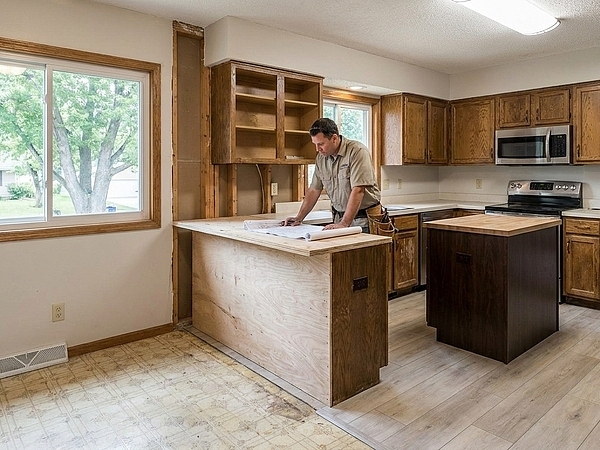
Is Your Kitchen in Apple Valley Feeling Outdated?
July 17, 2026
-
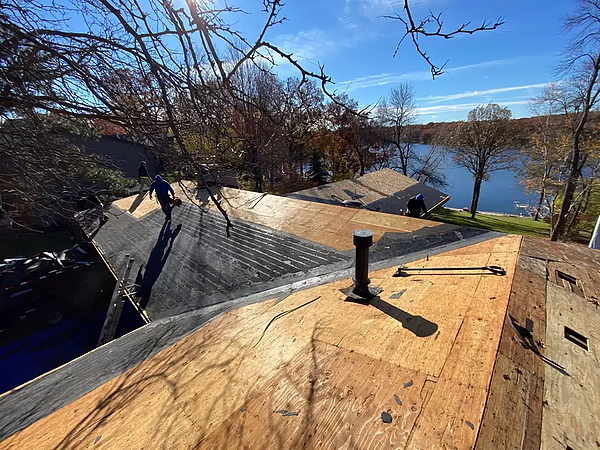
A to Z Remodelers & Builders brings complete home remodeling to Apple Valley homeowners and businesses. From storm damage restoration to full kitchen and bathroom remodels, our team handles projects of any size with quality craftsmanship. We specialize in insurance restoration, home additions, new home construction, and design-build services. Whether you need roofing, siding, or window replacement after storm damage, or want to add a sunroom, deck, or porch to your home, we've got you covered. Our carpenters also handle basement renovations, flooring installation, and both interior and exterior upgrades. As a full-service contractor, we work on residential and commercial properties, managing everything from small repairs to major construction projects. Call 952-426-4444 to discuss your remodeling needs and get your project started.
Site by