Blog


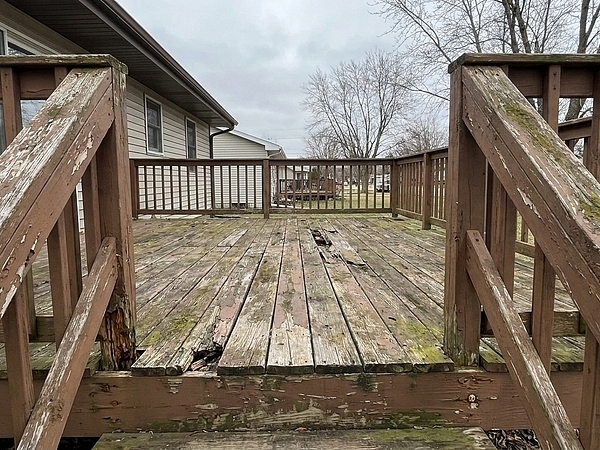
Is It Time for a New Deck in Apple Valley?
Most homeowners in Apple Valley think their deck just needs another coat of stain. Maybe a quick power wash. But if you're out there scrubbing away rot or hammering down loose boards every spring, you're past maintenance. You're in damage control. And the longer you wait, the more expensive it gets — not just in dollars, but in safety risks and resale value hits.
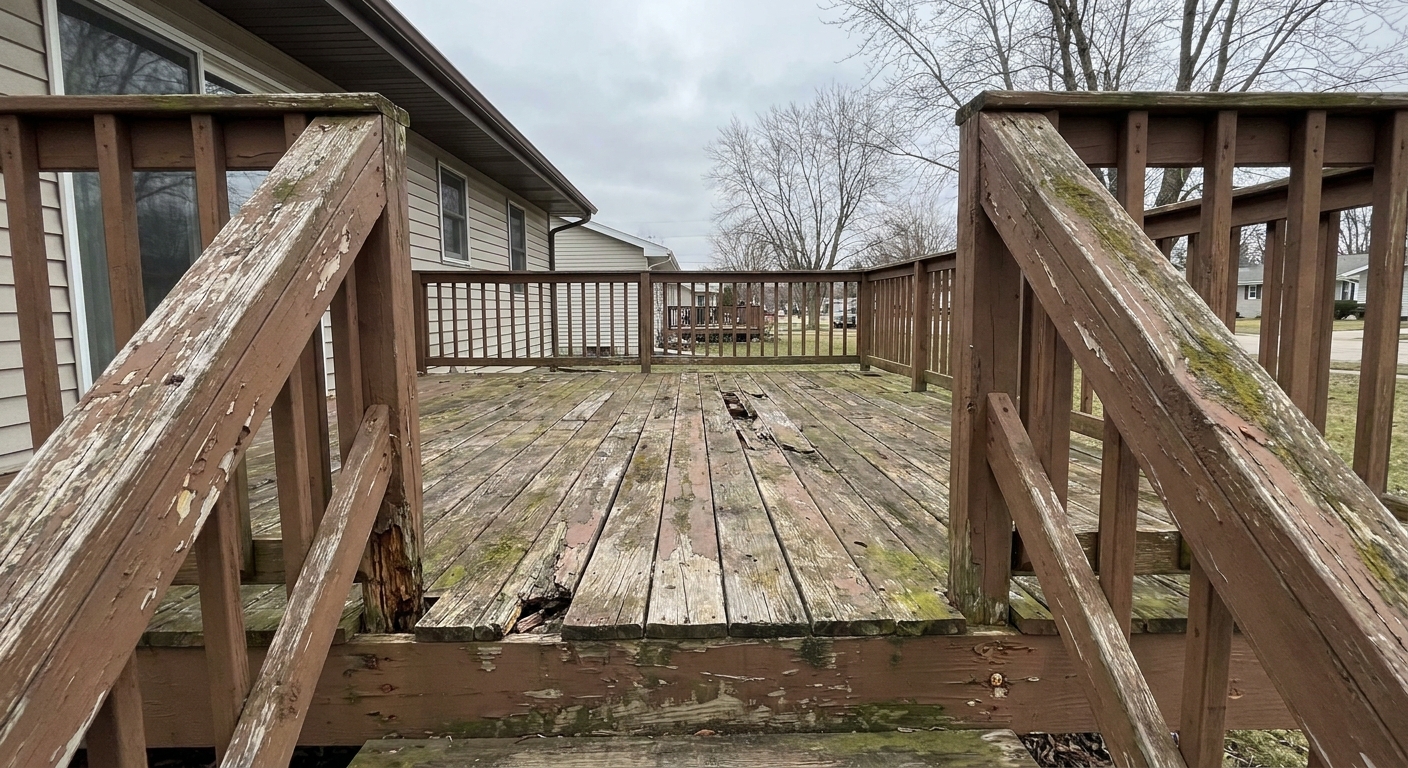
Your deck isn't just wood and nails. It's an investment in how you live outdoors. If it's sagging, splintering, or starting to look like a liability instead of an asset, we're going to walk you through what actually matters. No fluff. Just the signs that tell you it's time to rebuild, the materials that hold up in Apple Valley weather, and the decisions that separate a smart upgrade from a costly mistake.
Structural Red Flags You Can't Ignore
Walk across your deck. Does it bounce? Creak in ways it didn't use to? That's not character — that's compromise. Structural integrity doesn't fade gracefully. It fails. And when it does, you're looking at injuries, insurance claims, or worse. The frame, joists, and ledger board are doing all the heavy lifting. If any of those components are shot, patching won't cut it.
Here's what we see when a deck is on its last legs:
- Posts or beams showing visible rot or soft spots when pressed
- Ledger boards pulling away from the house or missing flashing
- Joists sagging between supports or showing cracks along the grain
- Railings that wobble or feel loose under pressure
- Deck boards with gaps widening unevenly or popping up at the ends
Wood Rot Spreads Faster Than You Think
Moisture is the enemy. Apple Valley gets its share of rain and snow, and if your deck wasn't built with proper drainage or ventilation, water sits. Wood absorbs it. Rot follows. You might see it first near the ground, around posts, or where boards meet the frame. But by the time it's visible on the surface, it's already deep in the structure.
Once rot takes hold, it doesn't stop. Fungal decay spreads through the grain, weakening load-bearing components you can't even see. Scraping off the surface or replacing a few boards won't fix what's happening underneath. You need to know how far it goes — and whether the foundation is still solid.
- Discolored or darkened wood that feels spongy to the touch
- Mushrooms or fungal growth appearing near the base
- Persistent mildew or mold even after cleaning
- Boards that crumble or splinter when scraped with a screwdriver
- Water pooling in corners or along seams instead of draining
Fasteners Fail When the Material Does
Nails back out. Screws strip. Bolts corrode. If you're constantly refastening boards or tightening railings, the problem isn't the hardware — it's what the hardware is gripping. Fasteners rely on solid wood to hold. When that wood deteriorates, no amount of replacement screws will keep things secure.
Rusted or loose fasteners also signal bigger issues: improper materials, inadequate spacing, or water infiltration that's been ongoing for years. If you're replacing the same fasteners season after season, you're treating symptoms while the real damage compounds.
- Nails popping up through the surface of deck boards
- Screws spinning without tightening or holding
- Rust stains bleeding out around metal connectors
- Bolts that feel loose even after being tightened
- Missing or broken joist hangers that were never replaced
Fading Finish Means More Than Cosmetics
Sure, a weathered deck can look rustic. But when the finish is gone, so is the protection. UV rays break down wood fibers. Rain soaks in. Freeze-thaw cycles cause splitting. What starts as fading turns into splintering, cupping, and cracking. If your deck hasn't been sealed in years, it's absorbing damage every day.
Staining or sealing won't reverse structural wear, but skipping it accelerates the decline. If the surface is already rough, splintered, or warped, adding another coat is like painting over rust. It might look better for a month, but the core problem remains.
Outdated Design Limits How You Use the Space
Maybe your deck was fine ten years ago. But if your lifestyle has changed — more outdoor entertaining, better furniture, built-in grills or fire pits — the old layout doesn't cut it anymore. A cramped footprint, poor traffic flow, or lack of shade can make your deck feel more like a chore than a retreat.
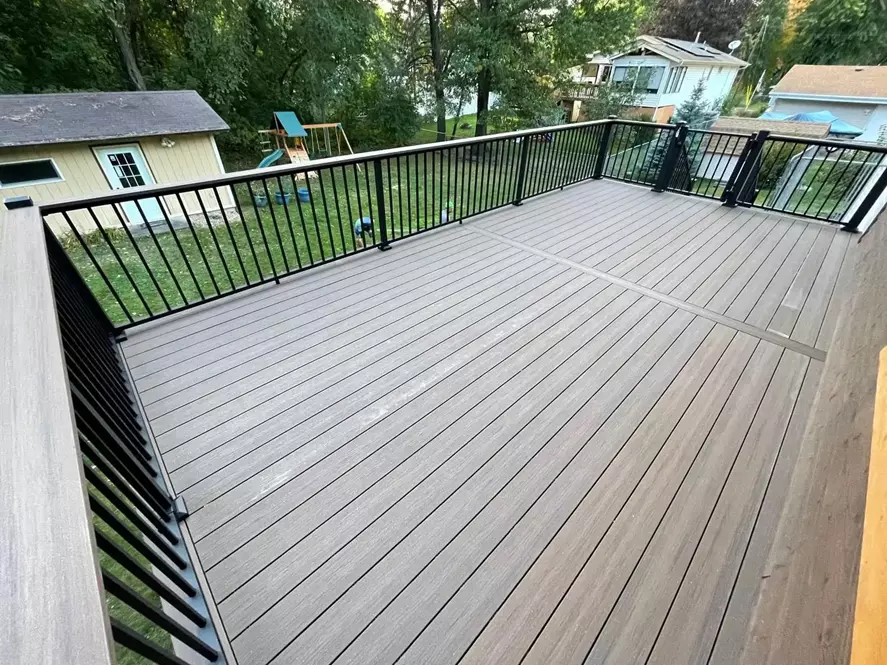
Rebuilding gives you the chance to design for how you actually live. Wider stairs, integrated seating, proper lighting, and weather-resistant materials can transform your outdoor space from functional to exceptional. And if resale is on your radar, modern deck design pays off.
- Narrow stairs that feel unsafe or awkward to navigate
- No built-in seating or storage options
- Lack of shade structures or pergola integration
- Insufficient lighting for evening use
- Layout that doesn't connect well with your yard or patio
Material Choices That Actually Hold Up
Pressure-treated lumber is cheap upfront, but it demands constant upkeep. Cedar looks great, but it needs sealing every few years or it grays and splits. Composite costs more initially, but it doesn't rot, splinter, or need staining. PVC is even tougher — completely moisture-resistant and virtually maintenance-free.
Your material choice should match your tolerance for maintenance and your budget for longevity. If you're planning to stay in your home long-term, investing in composite or PVC pays off in saved time and avoided repairs. If you're selling soon, even a well-built pressure-treated deck can boost appeal — as long as it's done right.
- Pressure-treated pine holds up for 10 to 15 years with regular sealing
- Cedar and redwood resist decay naturally but still require maintenance
- Composite blends wood fibers and plastic for durability without the rot
- PVC is 100% synthetic, resists stains, and handles extreme weather
- Aluminum railings and framing eliminate wood rot concerns entirely
Getting the Build Done Right
We've seen plenty of decks that look solid from the top but are disasters underneath. Improper flashing, missing joist hangers, inadequate footings — these aren't things you notice until something fails. A licensed contractor pulls permits, follows code, and builds to last. A handyman with a saw and a weekend might get you a deck, but not one you can trust.
Ask for references. Look at completed projects. Make sure they're insured and that the work comes with a warranty. The cheapest bid usually comes with the most headaches. The right contractor builds it once, builds it right, and you don't think about it again for twenty years.
Stop Patching and Start Planning
If you're reading this, you already know something's wrong. The question isn't whether your deck has issues — it's whether those issues are fixable or whether you're throwing good money after bad. We help Apple Valley homeowners make that call every day. Sometimes it's a repair. Often, it's a rebuild. Either way, we make sure you know what you're getting into before a single board gets pulled.
A new deck isn't just about safety or resale value. It's about reclaiming your outdoor space and building something that works the way you need it to. No more wobbling railings, splintered planks, or wondering if the whole thing's going to hold up through another winter. Just solid residential construction, smart materials, and a space you'll actually use. Exterior renovations like these transform how you use your home, and professional carpentry ensures it's built to last.
Ready to Transform Your Outdoor Living?
Let's make your deck a place you actually want to spend time—safe, beautiful, and built for the way you live. If you're tired of patching up old boards or worrying about what's lurking underneath, it's time to talk about a real solution. Give us a call at 952-426-4444 or reach out for your free estimate and let’s start planning your next great outdoor upgrade together.
‹ Back
Recent Posts
-
Does Your Apple Valley Home Need More Space?
August 28, 2026
-
Is It Time for a New Deck in Apple Valley?
August 14, 2026
-
Could Your Apple Valley Basement Be Better Used?
July 31, 2026
-
Is Your Kitchen in Apple Valley Feeling Outdated?
July 17, 2026
-
A to Z Remodelers & Builders brings complete home remodeling to Apple Valley homeowners and businesses. From storm damage restoration to full kitchen and bathroom remodels, our team handles projects of any size with quality craftsmanship. We specialize in insurance restoration, home additions, new home construction, and design-build services. Whether you need roofing, siding, or window replacement after storm damage, or want to add a sunroom, deck, or porch to your home, we've got you covered. Our carpenters also handle basement renovations, flooring installation, and both interior and exterior upgrades. As a full-service contractor, we work on residential and commercial properties, managing everything from small repairs to major construction projects. Call 952-426-4444 to discuss your remodeling needs and get your project started.

Site by