Blog
Could Your Apple Valley Basement Be Better Used?
Most Apple Valley homeowners see their basement as a dumping ground. Boxes from three moves ago. Holiday decorations you forgot you owned. Maybe a treadmill collecting dust. But square footage is square footage — and if you're not using it intentionally, you're losing value every single day. That space beneath your feet could be generating income, solving problems, or giving your family room to breathe. Instead, it's holding junk you haven't touched in years.
The truth is, basements don't stay neutral. They either become an asset or they become a liability. Moisture creeps in. Clutter piles up. The space gets forgotten. And before you know it, you've got a maintenance headache instead of a usable room. We've seen it dozens of times — homeowners who wait too long to act, then realize they've been sitting on opportunity the whole time.
The Real Cost of Doing Nothing
Unused basements don't just waste space. They waste money. Every month you're heating and cooling square footage that serves no purpose. You're missing out on rental income if the layout could support a suite. You're cramming your main floor when you could be spreading out below. And when it comes time to sell, an unfinished or cluttered basement drags down your listing price faster than almost anything else.
Buyers in Apple Valley know what finished space looks like. They've toured homes with theater rooms, guest suites, and home gyms. If your basement is still concrete and cobwebs, they're calculating what it'll cost them to fix it — and they're knocking that number off their offer. You don't get credit for potential. You get credit for execution.
What Smart Homeowners Are Building Down There
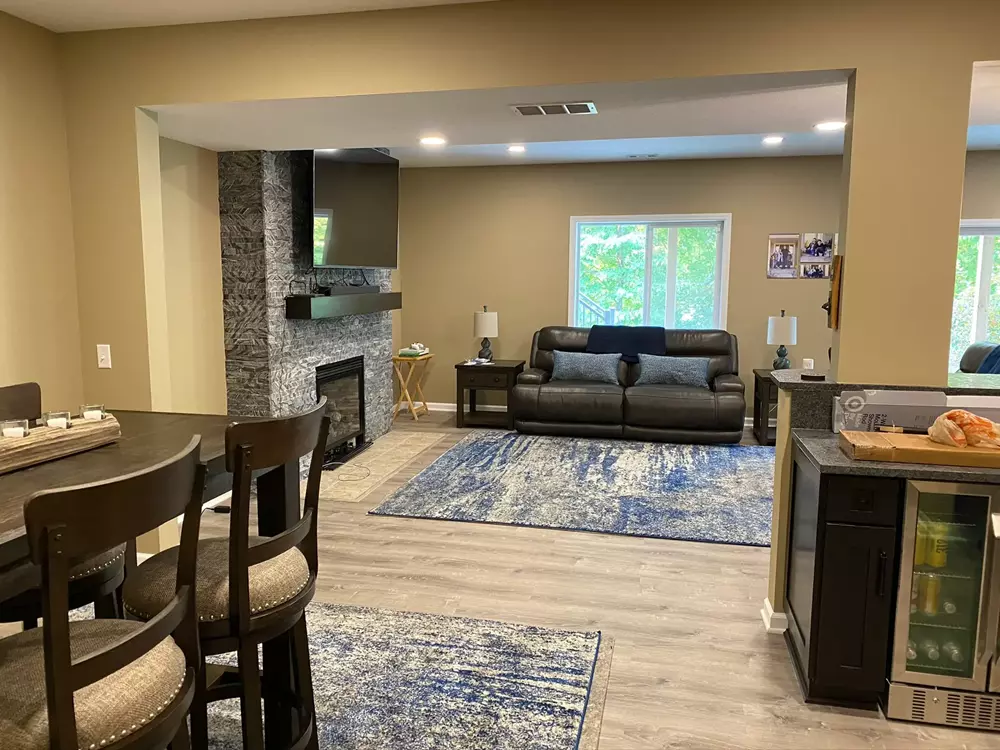
The best basement projects aren't random. They solve a specific problem or unlock a clear benefit. Maybe your household needs separation — kids need a play zone, you need a quiet office, or teenagers need their own hangout spot away from the main floor. Maybe you're eyeing rental income and a mother-in-law suite makes sense. Maybe you just want a space that feels like an escape without leaving home.
Here's what we're seeing work in Apple Valley right now:
- Home offices with real doors, real desks, and zero distractions from upstairs foot traffic
- Guest suites with full bathrooms and separate entries for privacy
- Media rooms designed for movie nights, gaming, or binge-watching without fighting over the main TV
- Fitness spaces with rubber flooring, mirrors, and enough clearance for free weights or yoga mats
- Rental units that generate monthly income and help cover your mortgage
Moisture Problems Will Sink Your Plans
You can't finish a basement that leaks. Period. Moisture isn't just an inconvenience — it's a deal-breaker. Drywall soaks it up. Carpet grows mold. Insulation turns into a breeding ground. And once the damage starts, it spreads fast. We've walked into basements where homeowners tried to push through a remodel without addressing the underlying water issue, and the results were expensive disasters.
Before you pick paint colors or buy furniture, get your basement dry. That means proper drainage around your foundation, working sump pumps, sealed cracks, and a dehumidifier if needed. If you're not sure where water's coming from, hire someone who knows. Skipping this step will cost you double later when you're ripping out moldy drywall and starting over.
Layout Decisions That Actually Matter
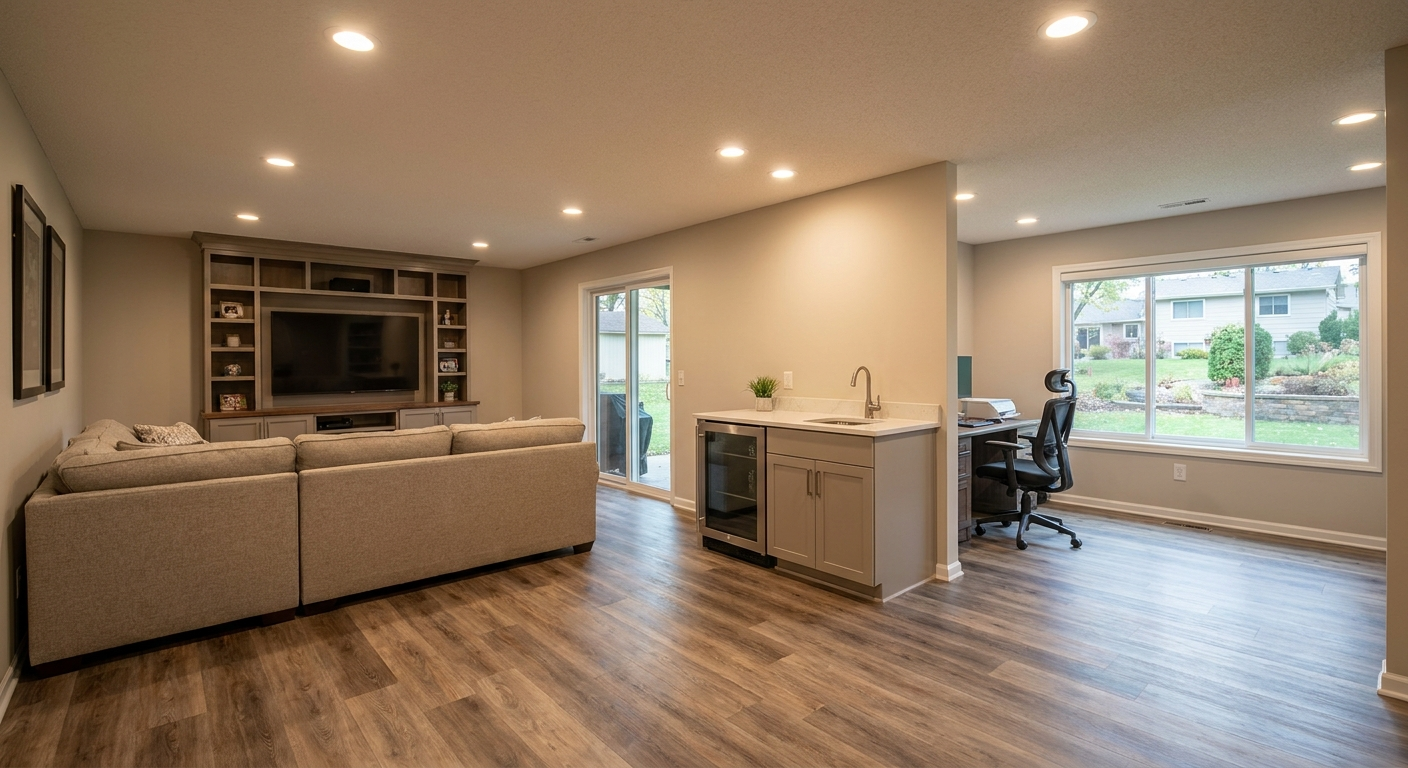
Basements have quirks. Low ceilings. Support posts. Weird corners. Mechanicals you can't move. The layout has to work around those constraints, not pretend they don't exist. That means planning for flow, natural light where possible, and smart use of every square foot.
Here's what makes a basement layout functional instead of frustrating:
- Separate zones for different uses so one activity doesn't interrupt another
- Enough headroom in main traffic areas — nobody wants to duck under ductwork
- Access to egress windows if you're adding bedrooms, because code requires it and safety demands it
- Storage built into the design, not tacked on as an afterthought
- Lighting that compensates for limited natural light — recessed fixtures, task lights, and layered brightness
Insulation and Climate Control Aren't Optional
A cold, damp basement isn't usable no matter how nice it looks. Insulation keeps temperatures stable. Proper HVAC keeps air moving. And both of those together make the space feel like part of your home instead of a cave you avoid half the year. If your basement feels like a different climate zone, you've got work to do before you invest in finishes.
Spray foam works well on foundation walls. Rigid foam boards are another solid option. And if your HVAC system can't handle the added load, you might need a mini-split or supplemental heating. Don't assume your existing system will cut it — basements are harder to heat and cool than above-grade rooms, and undersized equipment will leave you uncomfortable and running up your utility bill.
Budgeting Without the Surprises
Basement projects can run anywhere from a few thousand dollars to six figures, depending on scope. If you're doing basic drywall, flooring, and paint, you're on the lower end. If you're adding plumbing, a full bathroom, or a kitchenette, costs climb fast. And if you hit unexpected issues — old wiring, structural concerns, or code violations — you'll need wiggle room in your budget.
Here's where money goes in most basement builds:
- Framing and drywall to create walls and ceilings
- Flooring that can handle moisture and temperature swings — luxury vinyl plank is popular for a reason
- Electrical work for outlets, lighting, and any new circuits
- Plumbing if you're adding a bathroom, wet bar, or laundry hookups
- HVAC upgrades to extend heating and cooling into the new space
Permits and Inspections Keep You Legal
Thinking about skipping permits to save time or money? Don't. Unpermitted work can kill a home sale, void your insurance, or leave you liable if something goes wrong. Apple Valley has codes for a reason — egress windows in bedrooms, proper ventilation, electrical standards. If you're doing more than cosmetic updates, you probably need a permit.
Inspections aren't there to slow you down. They're there to catch problems before they become hazards. And when you go to sell, buyers will ask for proof that work was done legally. If you can't produce permits, they'll either walk away or demand a price cut. Play it straight from the start and you won't have to explain anything later.
Hiring Help vs Going Solo
Some basement work is DIY-friendly. Painting, basic trim, even installing flooring if you've got patience and the right tools. But structural changes, plumbing, electrical, and HVAC? Those need pros. Not just for quality — for safety and code compliance. A bad DIY electrical job can start a fire. A botched plumbing install can flood your basement. And a structural mistake can compromise your whole house.
Here's when to call in professionals:
- Framing walls or moving support beams
- Running new electrical circuits or upgrading your panel
- Installing plumbing for bathrooms or kitchens
- Extending or upgrading HVAC systems
- Waterproofing foundation walls or installing sump pumps
Making the Space Work for Years
Basements aren't static. What works today might not work in five years. Kids grow up and move out. Work-from-home becomes work-from-office. Rental income becomes guest space. The smartest basement interior renovations anticipate change and build in flexibility. That means neutral finishes, adaptable layouts, and infrastructure that can support multiple uses without major overhauls.
Your Apple Valley basement isn't just sitting there waiting for boxes. It's waiting for a decision. You can keep ignoring it and let the space go to waste, or you can turn it into something that pays you back every single day. Professional remodels and repairs handled by experienced residential construction experts make the difference between a basement that adds value and one that drains it. Stop treating it like a storage unit and start treating it like the asset it could be. Our team offers a free estimate to help you understand your options and budget.
Ready to Reclaim Your Basement?
Let's make your basement a space that truly works for your family and your future. We know what it takes to transform underused square footage into something you'll love for years to come. If you're ready to explore the possibilities, give us a call at 952-426-4444 or reach out for your free estimate today. Together, we can unlock the full potential of your Apple Valley home.
‹ Back
Recent Posts
-
Does Your Apple Valley Home Need More Space?
August 28, 2026
-
Is It Time for a New Deck in Apple Valley?
August 14, 2026
-
Could Your Apple Valley Basement Be Better Used?
July 31, 2026
-
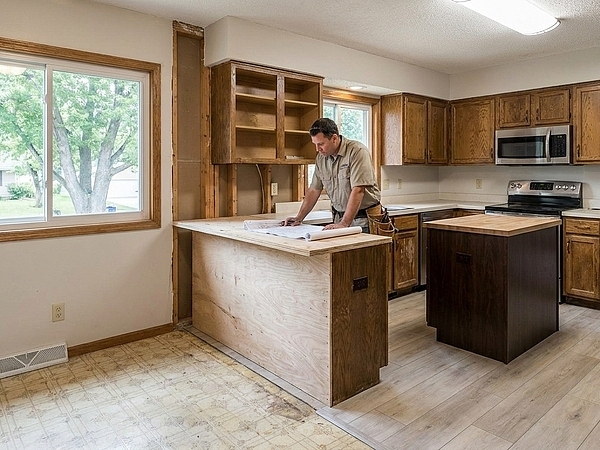
Is Your Kitchen in Apple Valley Feeling Outdated?
July 17, 2026
-
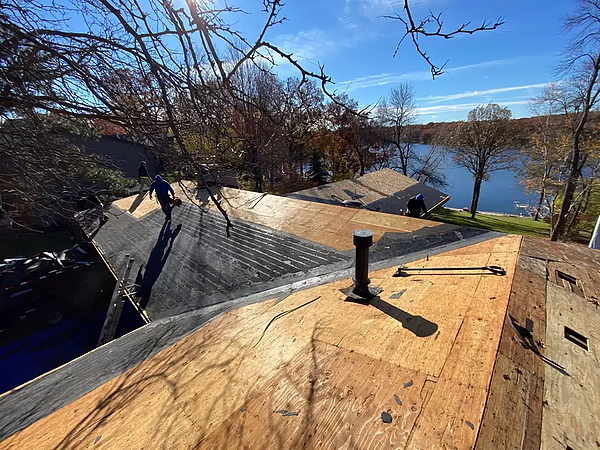
A to Z Remodelers & Builders brings complete home remodeling to Apple Valley homeowners and businesses. From storm damage restoration to full kitchen and bathroom remodels, our team handles projects of any size with quality craftsmanship. We specialize in insurance restoration, home additions, new home construction, and design-build services. Whether you need roofing, siding, or window replacement after storm damage, or want to add a sunroom, deck, or porch to your home, we've got you covered. Our carpenters also handle basement renovations, flooring installation, and both interior and exterior upgrades. As a full-service contractor, we work on residential and commercial properties, managing everything from small repairs to major construction projects. Call 952-426-4444 to discuss your remodeling needs and get your project started.
Site by