Blog


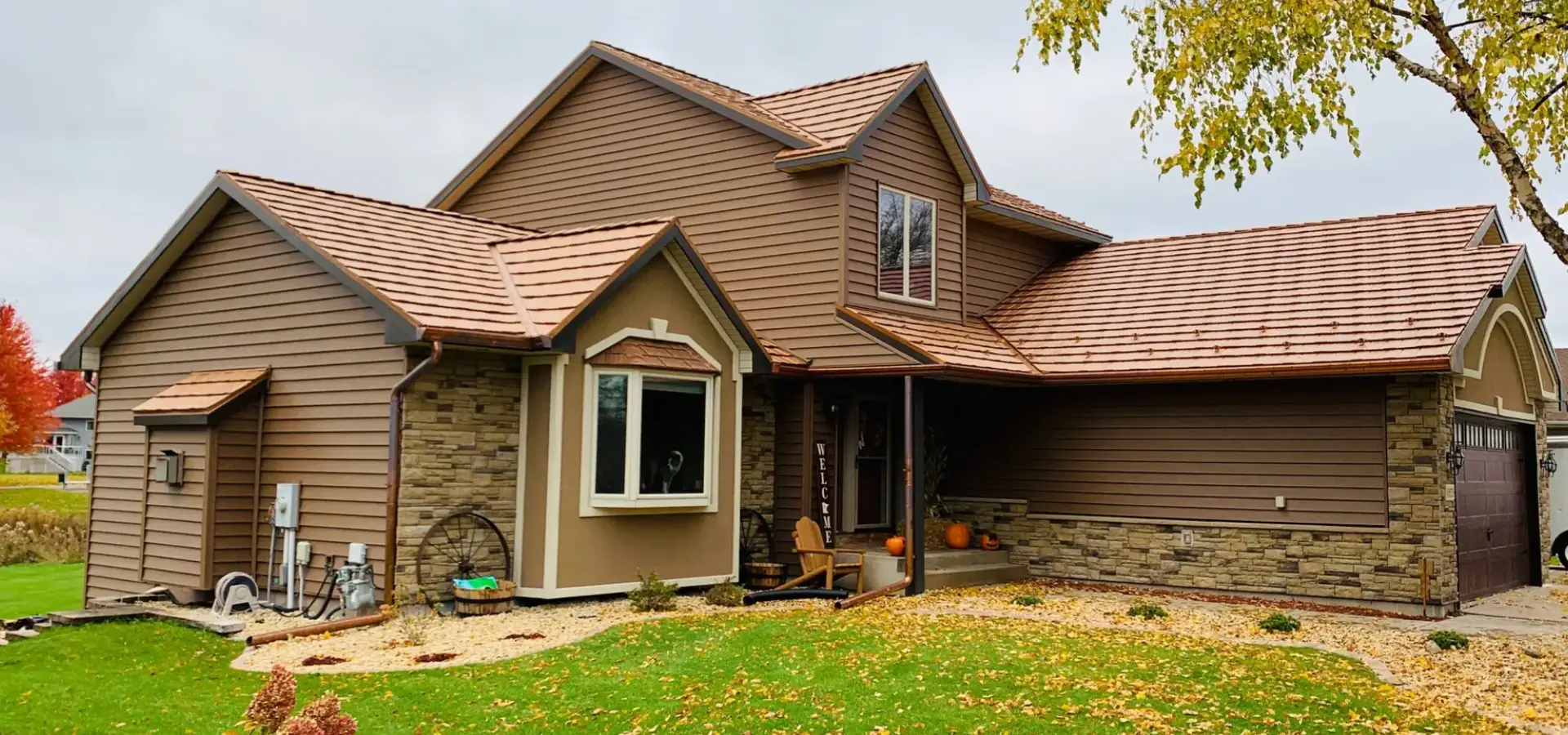
Planning a Home Addition in Apple Valley That Fits Your Property
Most homeowners think adding square footage is just about more space. Bigger rooms, extra bedrooms, done. But your property has limits — and if you ignore them, you're setting yourself up for headaches. Zoning rules, setbacks, and lot coverage don't care how badly you want that sunroom. They dictate what you can build, where you can build it, and how much it'll cost to make it happen.
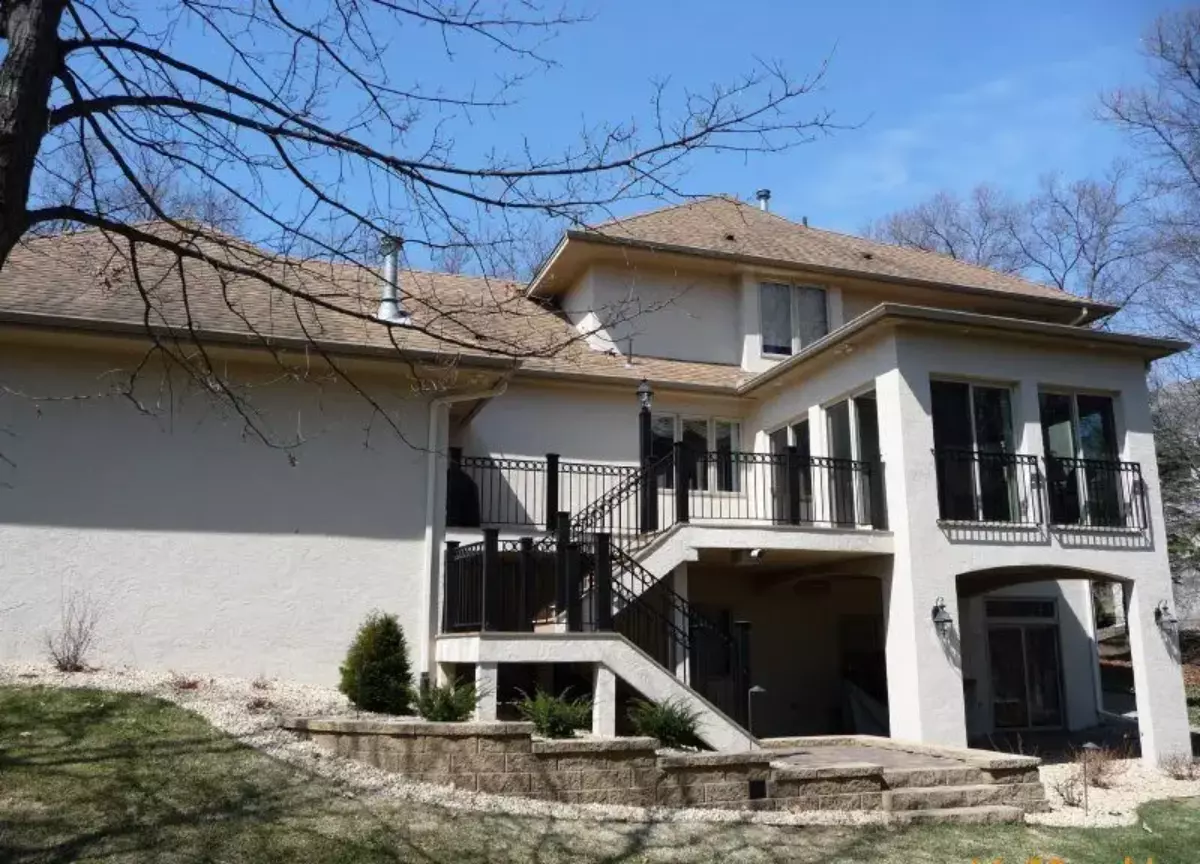
So here's what matters. If you're expanding to solve a real problem — growing family, remote work setup, aging parents moving in — that's smart. Just don't treat your lot like it has infinite potential. Every addition needs a foundation in reality. Every design choice should account for how the space connects to what's already there. And every decision should be grounded in what your Apple Valley property can actually support — not just what looks good on Pinterest.
Know What You Actually Need Before You Draw a Single Line
Jumping straight to floor plans is tempting. But if you haven't nailed down why you're building, you'll end up with a space that doesn't solve anything. Are you adding a bedroom because your kids are sharing and it's chaos? Building a home office because the kitchen table isn't cutting it? Or do you just want more room to breathe? The answer shapes everything — size, layout, budget, timeline.
We've seen homeowners pour money into additions that look great but don't function. A guest suite that never gets used. A bonus room with no clear purpose. Nail the "why" first, and the "what" becomes a lot easier to figure out.
Your Lot Has Rules You Can't Ignore
Apple Valley properties come with constraints. Setback requirements dictate how close you can build to property lines. Lot coverage limits cap how much of your land you can develop. Easements might run right through your dream addition site. And if your lot slopes or sits near protected areas, that adds another layer of complexity.
Before you fall in love with a design, verify what's allowed. Pull your property survey. Check with the city. Talk to a local contractor who knows the terrain. Skipping this step means redesigning later — or worse, tearing out work that never should've been approved.
Match the Bones or It'll Look Tacked On
An addition that clashes with your existing home tanks curb appeal and resale value. Rooflines need to align. Siding should match or complement what's already there. Windows, trim, even the pitch of the roof — all of it has to feel intentional, not like an afterthought stapled to the side of your house.
This is where working with someone who understands design-build pays off. A good architect or designer will study your home's style and create an addition that flows. If your house has craftsman details, the addition should echo them. If it's modern and clean-lined, don't suddenly go rustic. Cohesion isn't optional if you want the project to add value.
Think About How People Will Move Through the Space
Adding square footage is one thing. Making it functional is another. If your new master suite requires walking through the kitchen to reach it, that's a problem. If the addition blocks natural light from your living room, you've traded one issue for another. Flow matters — not just within the new space, but how it connects to the rest of your home.
Consider traffic patterns, door placements, and sightlines. Will the addition create a dead-end hallway? Does it cut off access to your backyard? How does it impact your existing HVAC zones? These aren't small details. They're the difference between a space that works and one that frustrates you every day.
Budget for the Real Number, Not the Dream Number
Home additions cost more than most people expect. Foundation work, framing, electrical, plumbing, finishes — it adds up fast. And that's before you factor in permits, design fees, and the inevitable surprises that come with construction. If you're budgeting based on rough estimates or outdated advice, you're going to blow past your number.
Get multiple bids from local contractors. Build in a contingency — at least 10 to 15 percent. And be honest about what you can afford. Stretching your budget to the breaking point means cutting corners later, and that's where quality suffers. Better to scale back the scope than to end up with half-finished work or cheap materials you'll regret.
Permits Aren't Suggestions
Apple Valley requires permits for additions, and for good reason. They ensure your project meets safety codes, doesn't violate zoning laws, and won't create problems down the line. Skipping permits might seem like a shortcut, but it's a gamble that rarely pays off. If the city finds out, you could face fines, be forced to tear down unpermitted work, or struggle to sell your home later.
Work with your contractor to handle the paperwork. Submit plans, wait for approval, and don't start construction until you've got the green light. It's not glamorous, but it's the only way to keep your project legal and your investment protected.
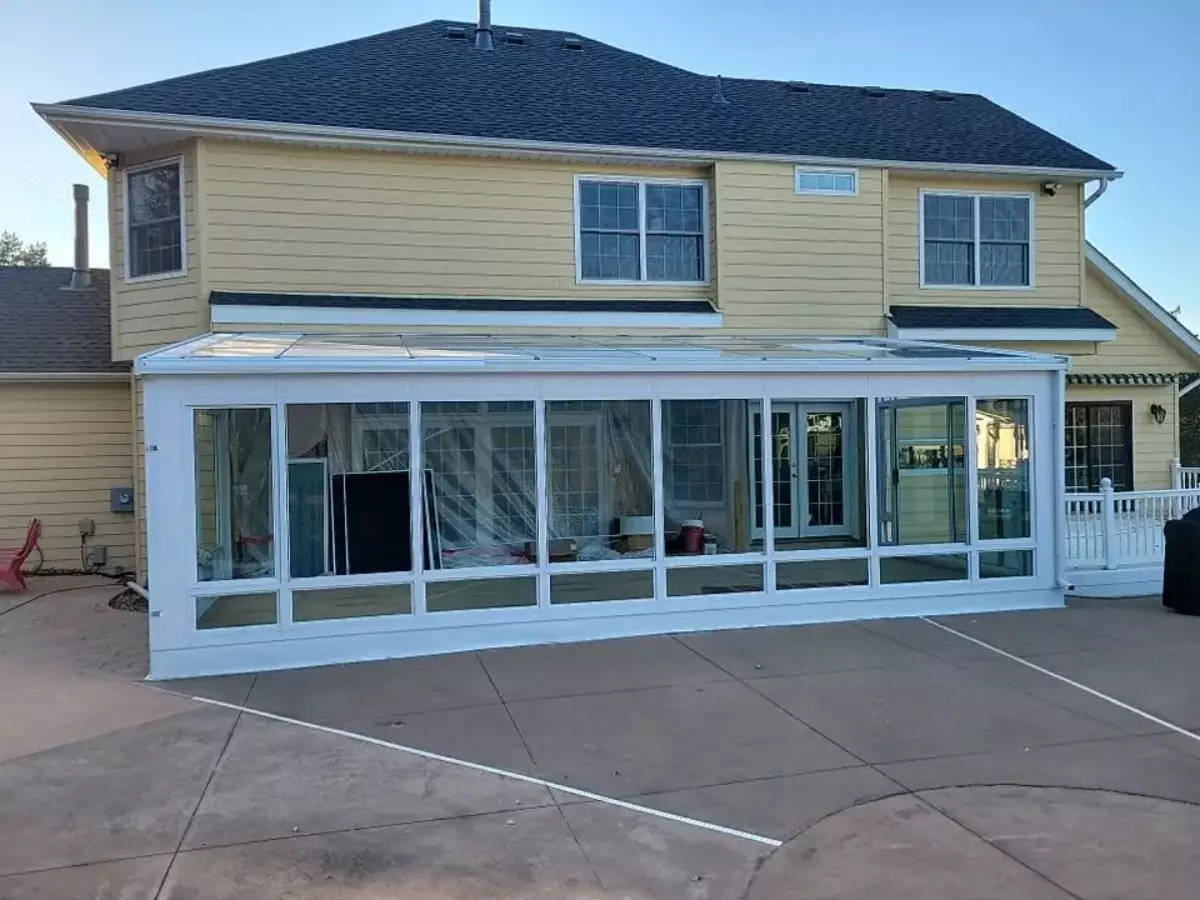
Hire People Who Know What They're Doing
Your contractor, architect, and designer aren't interchangeable. Each plays a specific role, and hiring the wrong team can derail your project. Look for professionals with local experience — people who've navigated Apple Valley's permitting process, understand the climate, and have a portfolio that matches your vision.
Here's what to prioritize when vetting your team:
- Licensed and insured contractors with verifiable references
- Architects or designers who specialize in residential additions
- Clear communication and a detailed contract before work begins
- Realistic timelines and transparent pricing
- Experience with projects similar in scope and style to yours
Construction Will Disrupt Your Life
There's no way around it — adding onto your home means noise, dust, and strangers in your space. But you can minimize the chaos with smart planning. Set clear expectations with your contractor about work hours, site cleanliness, and access points. If possible, schedule major work during times when you can be away or adjust your routine.
Protect your belongings, keep kids and pets clear of the work zone, and communicate regularly with your crew. The more proactive you are, the smoother the process will be. And when things go sideways — because they will — having a good relationship with your contractor makes problem-solving a lot easier.
What to Track While the Work Happens
Once construction starts, stay involved. You don't need to micromanage, but you should know what's happening and when. Regular check-ins help catch issues early, keep the project on schedule, and ensure the work matches your expectations.
Here's what to monitor throughout the build:
- Progress against the timeline and any delays
- Quality of workmanship at each stage
- Changes to the scope or budget, documented in writing
- Permit inspections and sign-offs from the city
- Final punch list items before you make the last payment
Don't Forget About the Outdoor Impact
An addition doesn't just change your interior — it affects your yard, driveway, and outdoor living areas. Will the new structure block sunlight from your garden? Does it reduce your patio space? How does it impact drainage or access to utilities? These aren't afterthoughts. They're part of the overall design.
Plan for landscaping, grading, and any outdoor features that need to be relocated or redesigned. If your addition eats into your backyard, think about how you'll use the remaining space. A well-planned project considers the whole property, not just the footprint of the new construction.
Financing Options That Make Sense
Most homeowners don't have cash sitting around to fund a major addition. That means financing, and there are several routes to consider. Home equity loans and HELOCs are common choices, offering lower rates because they're secured by your property. Personal loans are faster but come with higher interest. And if you're doing a large-scale project, a construction loan might be the right fit.
Here's how different financing options stack up:
- Home equity loans offer fixed rates and predictable payments
- HELOCs provide flexibility to draw funds as needed
- Personal loans require no collateral but cost more in interest
- Construction loans are designed for phased projects with inspections
- Cash-out refinancing can work if rates are favorable
When to Call in a Structural Engineer
Not every addition needs a structural engineer, but some do. If you're adding a second story, removing load-bearing walls, or building on a challenging lot, an engineer ensures the structure is sound. They'll assess your foundation, calculate load requirements, and design supports that keep everything safe and stable.
Skipping this step on a complex project is risky. Even if your contractor is experienced, an engineer brings specialized knowledge that can prevent costly mistakes. And if your city requires engineered plans for permitting, you'll need one anyway. Better to involve them early than to scramble later.
How Long It Actually Takes
Timelines vary based on the size and complexity of your addition, but most projects take several months from start to finish. Design and permitting alone can eat up weeks or even months. Once construction begins, weather, material delays, and inspection schedules all affect the pace.
Here's a rough breakdown of what to expect:
- Design and planning phase can take 4 to 8 weeks
- Permitting adds another 2 to 6 weeks depending on the city
- Foundation and framing typically take 4 to 6 weeks
- Rough-ins for plumbing, electrical, and HVAC add 2 to 4 weeks
- Finishes, inspections, and punch list work round out the final 4 to 8 weeks
Resale Value Isn't Guaranteed
Adding square footage usually boosts your home's value, but not always dollar-for-dollar. Over-improving for your neighborhood can mean you won't recoup your investment. A lavish master suite in a modest area might not pay off the way you hope. On the flip side, a well-executed addition that solves common problems — like adding a bathroom remodeling or creating a home office — tends to hold value better.
If resale is a priority, research what buyers in Apple Valley are looking for. Talk to a local realtor about which improvements add the most value. And remember, the best additions are the ones that improve your life now, not just your sale price later.
Building Smart Means Building Once
Taking on an addition isn't just about getting more space. It's about making sure that space works for your property, your budget, and your life. Cutting corners or rushing decisions leads to regret — and expensive fixes. But when you plan with intention, hire the right people, and respect the process, you end up with something that feels like it was always meant to be there.
Apple Valley properties have potential, but they also have limits. Work within them, and you'll build something that lasts. Ignore them, and you'll spend more time and money fixing problems than enjoying your new space. The choice is yours, but the smart move is clear.
Ready to Start Your Addition the Right Way?
Let’s make your Apple Valley home addition a success from the very first step. We’re here to help you navigate the details, avoid costly mistakes, and create a space that truly fits your needs. Give us a call at 952-426-4444 or reach out for your free estimate—let’s build something great together.
‹ Back
Recent Posts
-
Does Your Apple Valley Home Need More Space?
August 28, 2026
-
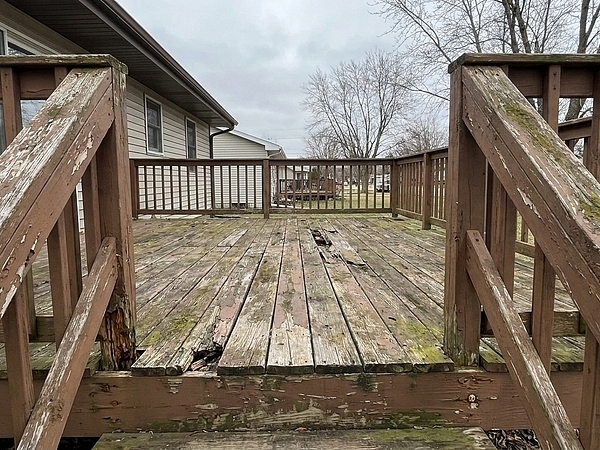
Is It Time for a New Deck in Apple Valley?
August 14, 2026
-
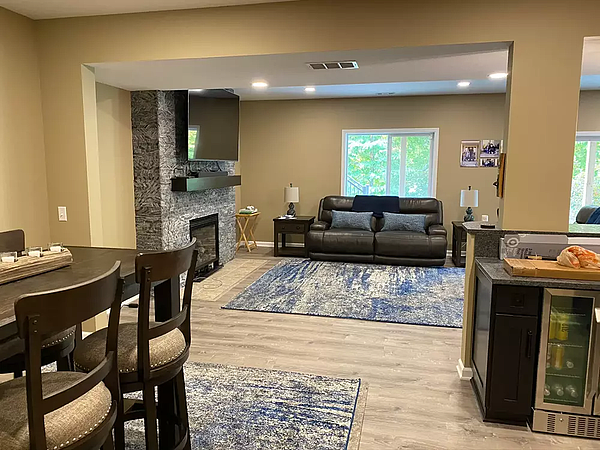
Could Your Apple Valley Basement Be Better Used?
July 31, 2026
-
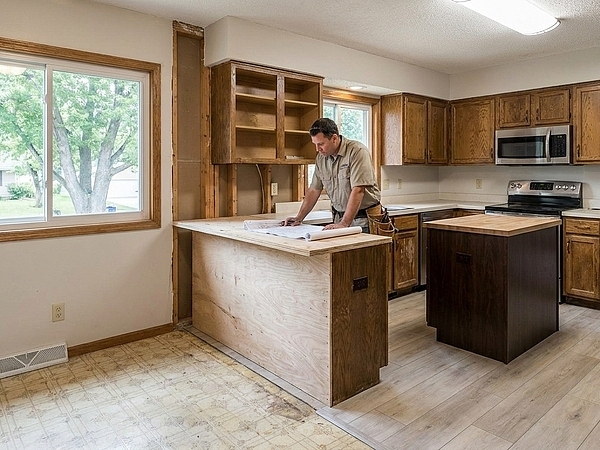
Is Your Kitchen in Apple Valley Feeling Outdated?
July 17, 2026
-
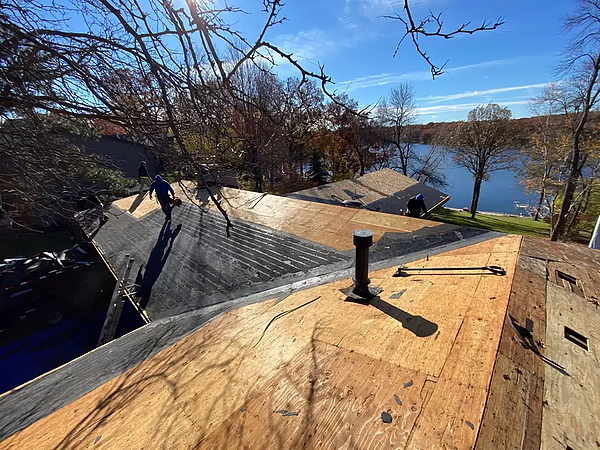
A to Z Remodelers & Builders brings complete home remodeling to Apple Valley homeowners and businesses. From storm damage restoration to full kitchen and bathroom remodels, our team handles projects of any size with quality craftsmanship. We specialize in insurance restoration, home additions, new home construction, and design-build services. Whether you need roofing, siding, or window replacement after storm damage, or want to add a sunroom, deck, or porch to your home, we've got you covered. Our carpenters also handle basement renovations, flooring installation, and both interior and exterior upgrades. As a full-service contractor, we work on residential and commercial properties, managing everything from small repairs to major construction projects. Call 952-426-4444 to discuss your remodeling needs and get your project started.

Site by