Blog


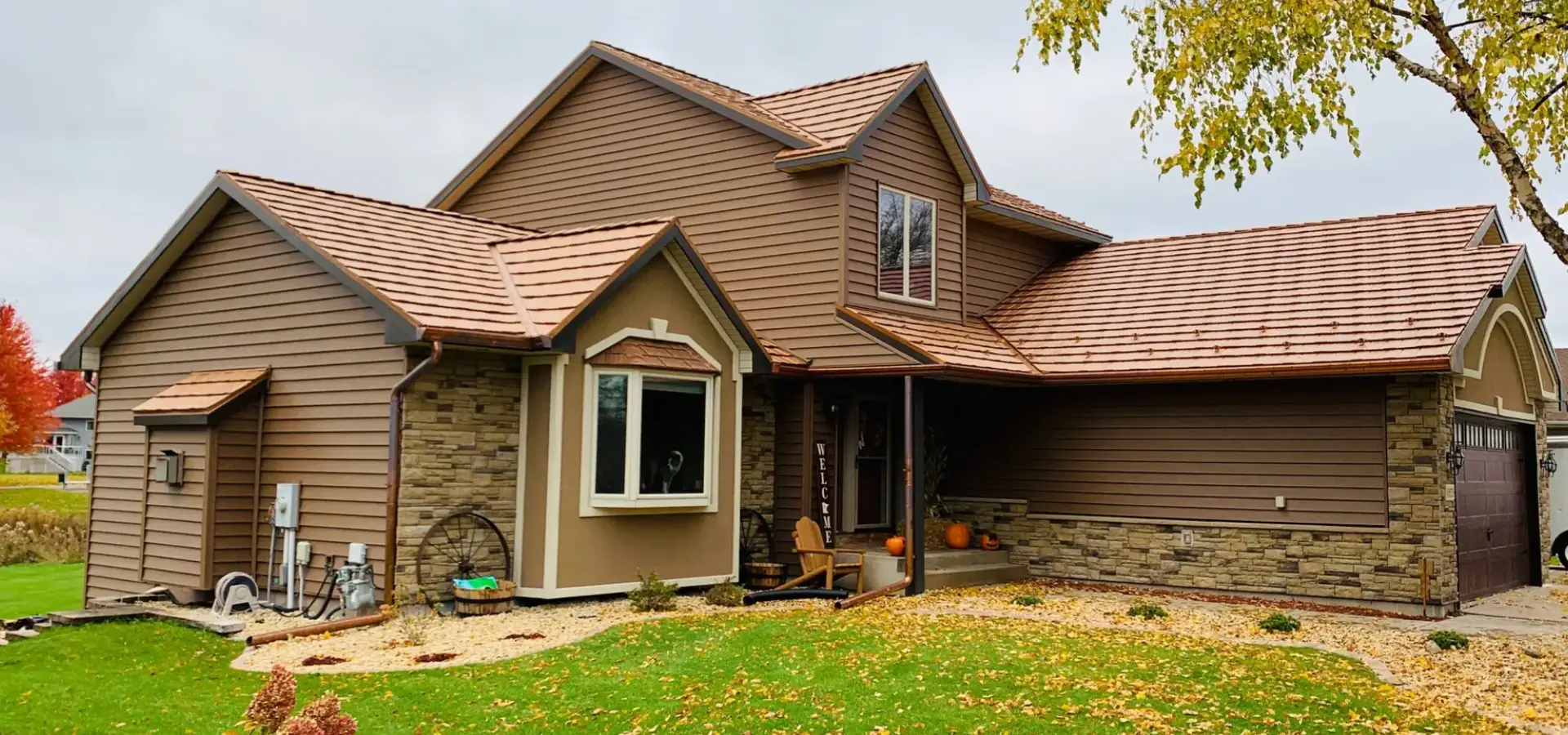
Is Your Roof in Apple Valley Showing Storm Damage?
Most homeowners think a roof is just shingles and nails. Something that sits there until it doesn't. But the weather in Apple Valley sees it differently — and if you're not paying attention, you're setting yourself up for a mess. Storms don't announce the damage they leave behind. They just move on. And by the time you notice the leak or the missing shingles, the real problem has already started spreading underneath.
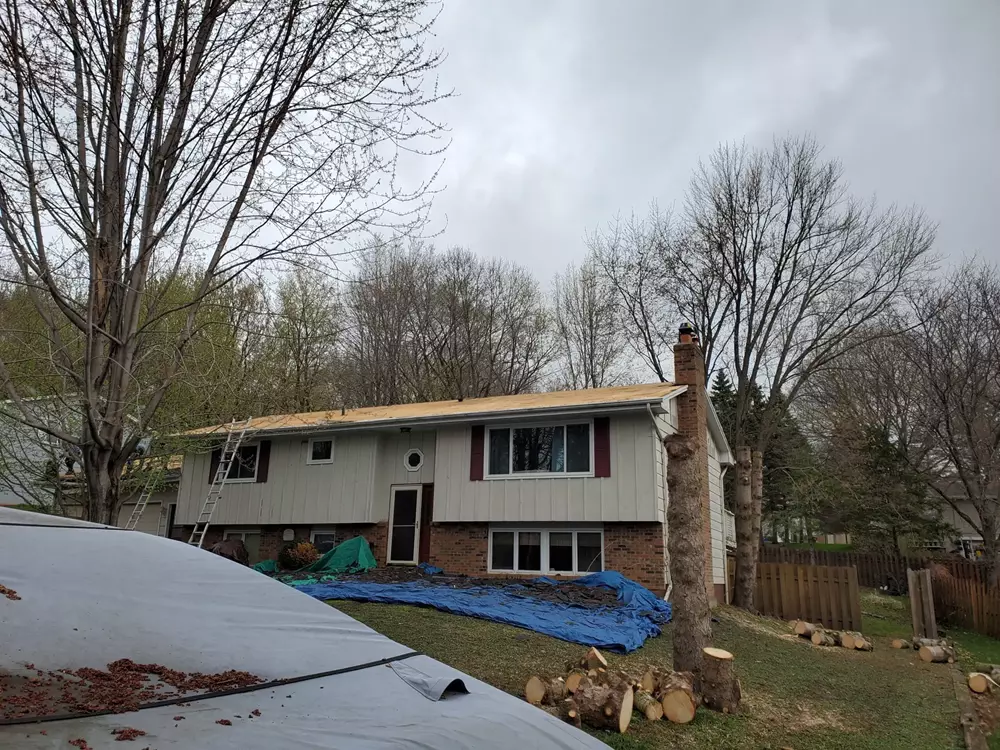
So here's what matters. If your roof took a hit from wind, hail, or heavy rain, that's not something you wait on. Every day you ignore it is another chance for water to get in, insulation to fail, and repair costs to climb. The damage might look small from the driveway, but roofs don't heal themselves. They just get worse.
What Storms Actually Do to Roofs
Apple Valley weather doesn't play favorites. Hail punches holes. Wind rips materials loose. Rain finds every weak spot you didn't know existed. And when winter rolls in, ice builds up and forces water where it has no business going. Each storm leaves a mark — some obvious, some hidden until it's too late.
The tricky part is that not all damage shows up right away. A bruised shingle today becomes a leak next month. A lifted edge turns into a missing section after the next windstorm. And once water gets under your roofing material, it doesn't stop at the surface. It soaks into wood, insulation, and drywall. That's when a roof problem becomes a house problem.
- Hail dents and cracks shingles, knocking off protective granules and shortening lifespan
- Wind lifts edges, tears off sections, and sends debris crashing into vulnerable areas
- Heavy rain exploits gaps and worn spots, leading to leaks and interior water damage
- Ice dams trap moisture on the roof, forcing it under shingles and into your home
- Debris from trees or nearby structures can puncture or scrape roofing materials
The Warning Signs You Shouldn't Ignore
After a storm passes, most people glance up and call it good. But a quick look from the ground won't tell you much. Damage hides in the details — curled edges, missing granules, dented flashing. And by the time you see water stains on your ceiling, the roof has been compromised for a while.
We've seen homeowners wait months before calling someone in, thinking a few missing shingles aren't urgent. Then the next rain hits and suddenly there's water in the attic, mold in the insulation, and a repair bill that could've been avoided. The roof doesn't give you a second chance to catch it early.
- Shingles that are cracked, curled, or completely gone from sections of the roof
- Granules piling up in gutters and downspouts, a sign of surface wear from hail
- Water stains or damp spots in the attic or on interior ceilings
- Dented or loose flashing around vents, chimneys, and roof edges
- Branches, leaves, or other debris sitting on the roof after the storm clears
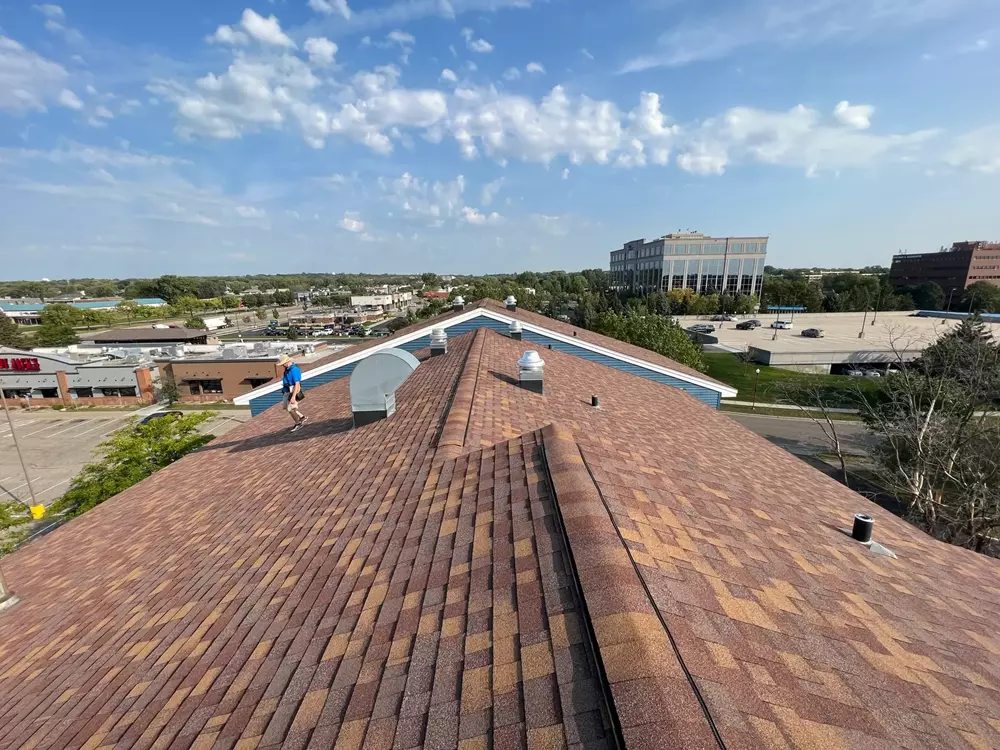
Waiting Only Makes It Worse
Roof damage doesn't stay contained. A small leak becomes a big one. A missing shingle exposes the underlayment. And once moisture gets into your home's structure, you're not just fixing the roof anymore — you're dealing with rotted wood, ruined insulation, and potential mold growth. That's not a weekend project. That's a full-scale storm damage restoration with a price tag to match.
And if you're planning to file an insurance claim, the clock is already ticking. Most policies require you to report damage promptly. If you wait too long, the insurer might argue the damage wasn't storm-related or that you failed to mitigate further harm. That's a fight you don't want to have when you're already staring at a damaged roof.
What to Do When You Suspect Damage
Don't climb up there yourself. Roofs are dangerous, especially after a storm when materials might be loose or slick. Instead, start with a ground-level inspection. Walk around your property and look for obvious signs — shingles in the yard, dents in metal components, visible gaps or tears. Use binoculars if you need a closer look without the risk.
Once you've done your initial check, document everything. Take photos of any damage you can see, even if it seems minor. Those images become critical when you're talking to your insurance company or a contractor. And don't stop there — get a professional inspection scheduled as soon as possible. A trained roofer knows what to look for and can spot problems you'd never catch on your own.
- Perform a safe visual inspection from the ground using binoculars if needed
- Photograph all visible damage from multiple angles for insurance documentation
- Schedule a professional roof inspection with a licensed local contractor
- Contact your insurance company to report the damage and start the claims process
- Move forward with repairs quickly to prevent additional deterioration
Picking the Right Contractor Matters
Not every roofer is worth your time. Some will lowball the estimate and cut corners. Others will drag out the timeline or disappear halfway through the job. You need someone local, licensed, and insured — someone who's been through Apple Valley storms before and knows how to handle the aftermath.
Check reviews. Ask for references. Make sure they offer warranties on their work and that they're willing to work directly with your insurance restoration company. A good contractor won't just patch the problem — they'll explain what happened, what needs fixing, and what you can do to prevent it next time. That's the difference between a quick fix and a roof that actually lasts.
- Verify the contractor is licensed, insured, and has a solid local reputation
- Read online reviews and ask for references from recent storm damage projects
- Confirm they offer warranties on both materials and workmanship
- Ensure they're willing to work with your insurance company throughout the process
- Get a detailed written estimate that breaks down all costs and timelines
Your Roof Is Only As Strong As Your Response
Storm damage doesn't fix itself. It spreads, it worsens, and it costs more the longer you wait. We've worked with enough Apple Valley homeowners to know that the ones who act fast are the ones who save money, avoid headaches, and keep their homes protected. The ones who put it off? They end up paying for it — literally.
Your roof took the hit so your home didn't have to. Now it's your job to make sure it's ready for the next storm. Get it inspected. Get it documented. Get it fixed with professional roofing replacement services. Because the weather isn't slowing down, and neither should you. If you need expert help with exterior renovations or comprehensive remodels and repairs, don't wait until minor damage becomes a major expense.
Let’s Protect Your Home Together
We know how stressful storm damage can be, but you don’t have to face it alone. Let’s make sure your roof is ready for whatever Apple Valley weather throws its way. Give us a call at 952-426-4444 or reach out for your free estimate—we’re here to help you restore peace of mind and keep your home safe for years to come.
‹ Back
Recent Posts
-

Does Your Apple Valley Home Need More Space?
August 28, 2026
-
Is It Time for a New Deck in Apple Valley?
August 14, 2026
-
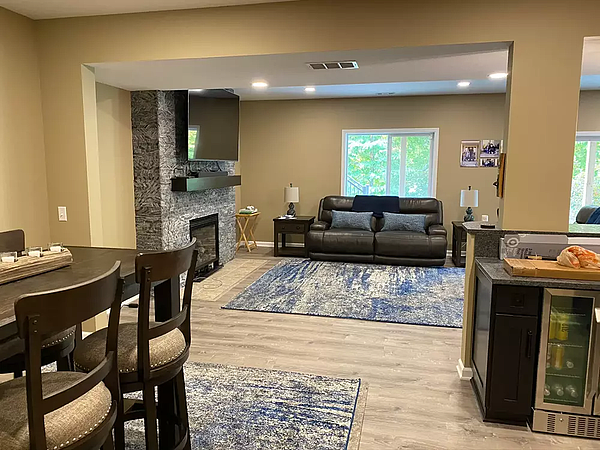
Could Your Apple Valley Basement Be Better Used?
July 31, 2026
-
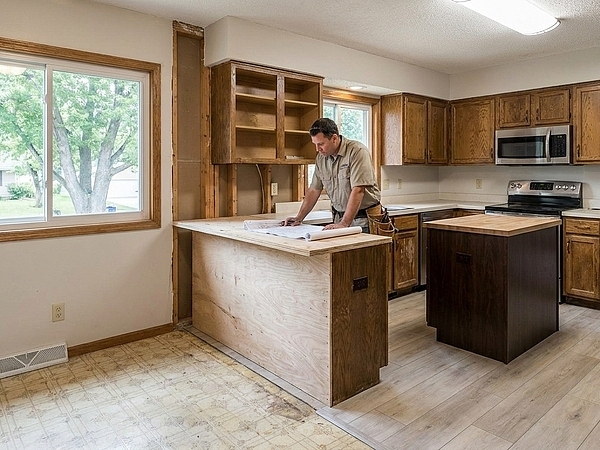
Is Your Kitchen in Apple Valley Feeling Outdated?
July 17, 2026
-
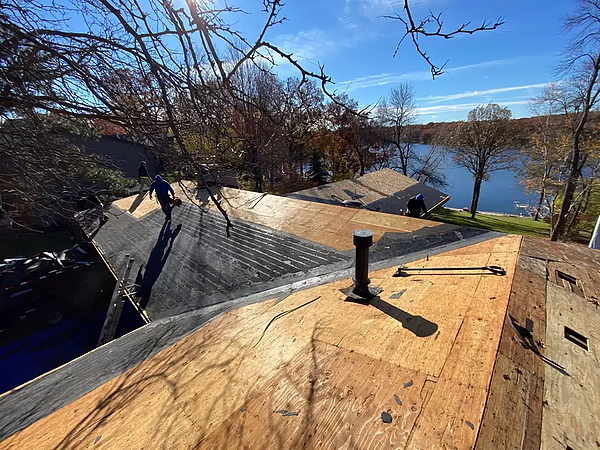
A to Z Remodelers & Builders brings complete home remodeling to Apple Valley homeowners and businesses. From storm damage restoration to full kitchen and bathroom remodels, our team handles projects of any size with quality craftsmanship. We specialize in insurance restoration, home additions, new home construction, and design-build services. Whether you need roofing, siding, or window replacement after storm damage, or want to add a sunroom, deck, or porch to your home, we've got you covered. Our carpenters also handle basement renovations, flooring installation, and both interior and exterior upgrades. As a full-service contractor, we work on residential and commercial properties, managing everything from small repairs to major construction projects. Call 952-426-4444 to discuss your remodeling needs and get your project started.

Site by